
First, follow the trail to its entry point
Watch the trail for a few minutes when it is active. Ants often travel along edges because the edge gives them cover and a repeatable route. Look behind small appliances, under the sink, around cabinet corners, along baseboards, beside windows, and where plumbing or electrical lines pass through the wall.
If you can identify the entry point, wipe the visible trail with soapy water and seal the gap with an appropriate material after the area is dry. Cleaning removes the scent trail, but cleaning alone may not matter if the opening or outdoor food source remains. Take a quick photo or note of the location so you can tell whether activity returns at the same place.
Food and water are often the reason the kitchen wins
Ants do not need a dramatic spill to stay interested. A thin film of syrup, grease near a range, crumbs under an appliance, pet-food residue, or a damp cabinet floor can be enough. Store sugar, honey, cereal, pet food, and opened packages in clean sealed containers. Empty food waste regularly and wash the inside of bins when residue builds up.
Check faucets, supply lines, refrigerator connections, dishwasher edges, and the area under the sink for moisture. Fixing a drip may reduce the attraction even when the trail first appeared somewhere else. Keep counters and floors clean, but avoid spreading strong sprays over an active trail if you are trying to understand where it leads.
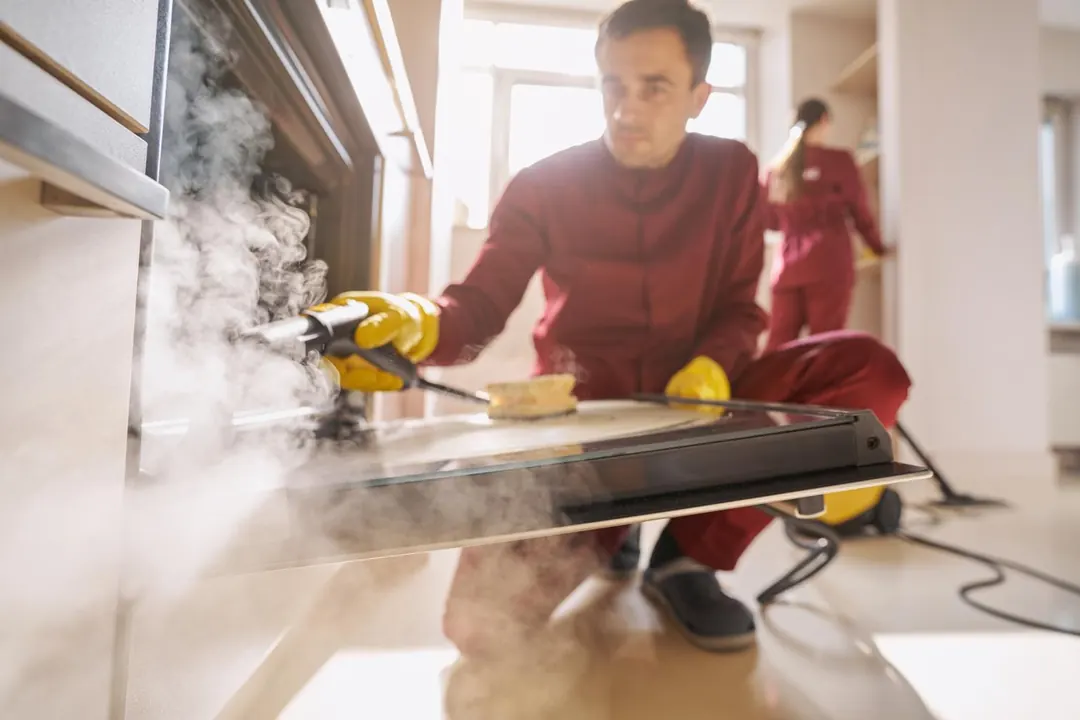 Why kitchen ant trails repeat — a property detail worth noticing.
The outdoor half of a kitchen trail matters
Many household ants live outdoors and enter when the structure offers a better food or water source. Inspect the foundation, patio threshold, hose bib, planter edge, and wall where the indoor trail seems to arrive. Plants, grass, and mulch pressed tightly against the foundation can provide cover. Fallen fruit, aphid activity on plants, and irrigation overspray can also create a comfortable route.
Where practical, create a little space between planting and the structure, redirect overspray, remove fallen fruit, and seal visible cracks. Outdoor baiting can be useful because worker ants may carry a slow-acting product back to the colony, but baits work best when competing food and insecticide sprays are not interfering with them.
Why indoor spraying can disappoint
A quick spray may knock down the ants that are visible without changing the colony, entry point, or food source. It can also interrupt the trail before you learn where it starts. UC IPM guidance emphasizes combining exclusion, sanitation, and appropriate baiting rather than relying on indoor spraying alone.
Bait needs time and the right placement. Ant preferences can change by species and season, so an ignored bait may not be the right fit. Keep children and pets away from products, follow the label, and ask for a focused service conversation when the trail returns across rooms or keeps reappearing after careful cleanup.
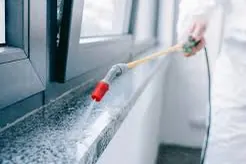 Small property details can shape the larger pest pattern.
When the pattern is worth a closer look
A recurring trail deserves more attention when it appears in several rooms, follows a wall or ceiling, returns after the obvious food source is removed, or comes with moisture damage or a visible exterior route. The same is true when ants are associated with a rental turnover, food-preparation area, shared wall, or hard-to-access void.
Write down the first room, time of day, weather, and what the ants follow. That record helps separate a short event from a property condition needing an organized response.
A kitchen trail is a map
The line across the counter is only the most visible part of a connected route. Read it from pantry to cabinet, cabinet to wall, wall to threshold, and threshold to the outside. Remove food and water, clean the trail, seal practical openings, and get help when the same signal keeps returning. That sequence is more useful than reacting to every ant as a separate event.